by Shahab Jalilvand, Owner of Signs Unlimited
Lobby directory signs have one job visitors notice immediately: tell them where to go. For property managers, however, the bigger question is what happens later—when tenants move, suites change, or the lobby itself is updated.
A good directory accounts for those realities before fabrication begins. Here are seven decisions worth making early:
1. Plan for Tenant Turnover
Fixed directories may work in properties with stable occupancy. Multi-tenant offices often benefit from replaceable or modular components.
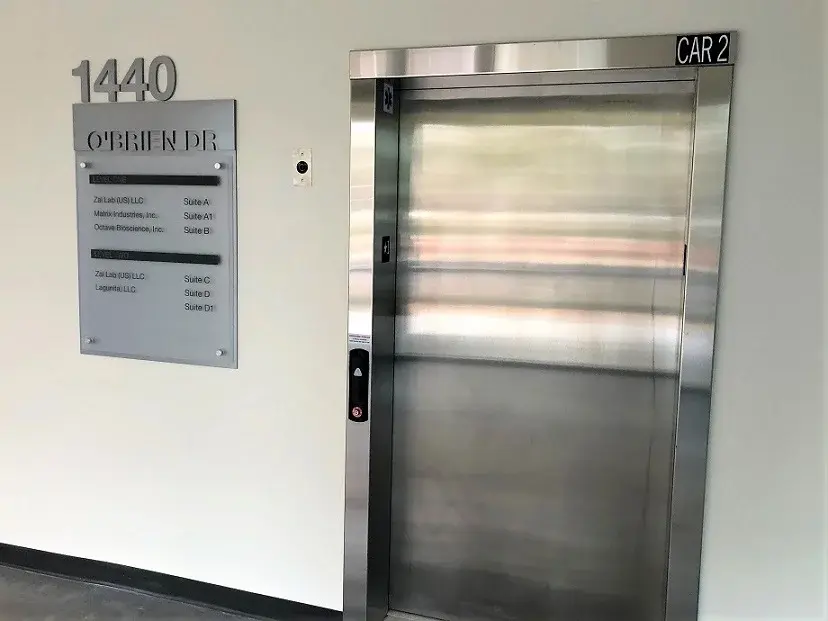
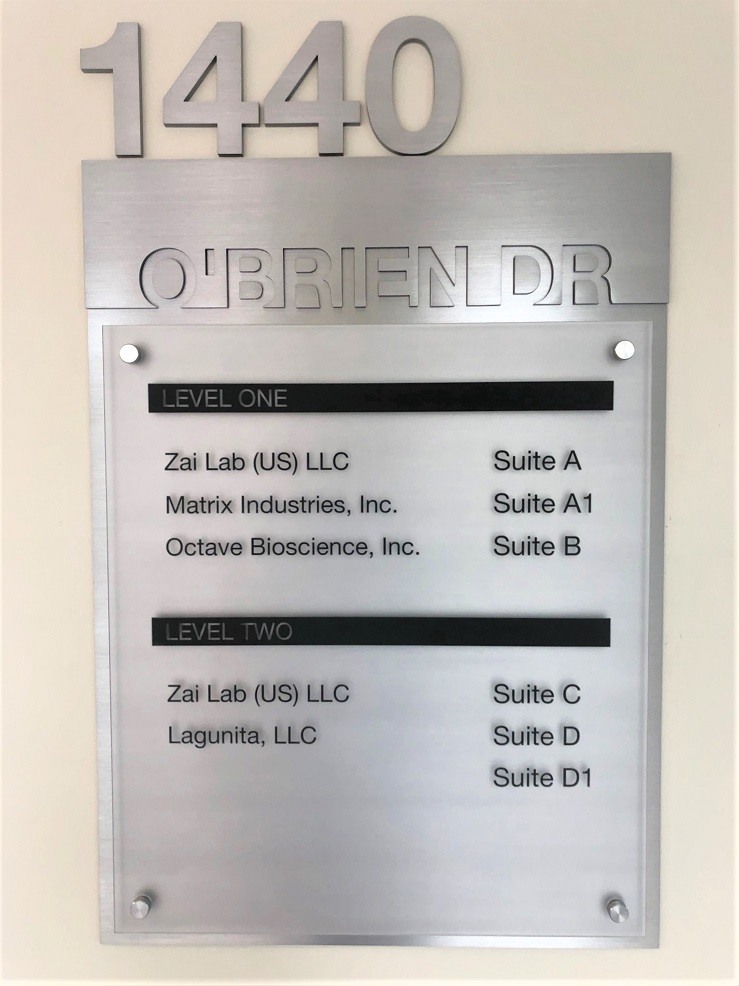
On a recent multi-tenant office project on the Peninsula, the brief came down to three practical requirements: the directory needed to fit the existing interior, remain easy to read, and allow tenant names to change without rebuilding the full system.
Signs Unlimited addressed the third requirement with individual tenant panels that could be replaced as needed. That gave the property manager a practical way to keep the directory current without replacing the entire sign each time occupancy changed.
2. Organize Information Before Styling It
Effective lobby directory signage starts with information hierarchy, not decoration.
Visitors should be able to scan tenant names, suites, floors, or departments quickly. Before choosing materials or finishes, determine what people actually need to find and how that information should be grouped.
3. Design for Real Viewing Conditions
Letter size, contrast, spacing, and placement all affect readability.
A layout that appears clear on a computer screen can perform differently once installed across a lobby. Consider where visitors enter, how far they may stand from the directory, surrounding lighting, and competing visual elements.
4. Let the Building Influence the Design
Office directory signs should feel intentional within their surroundings. Typography, materials, mounting methods, proportions, and finishes can complement architectural details without making information harder to find.
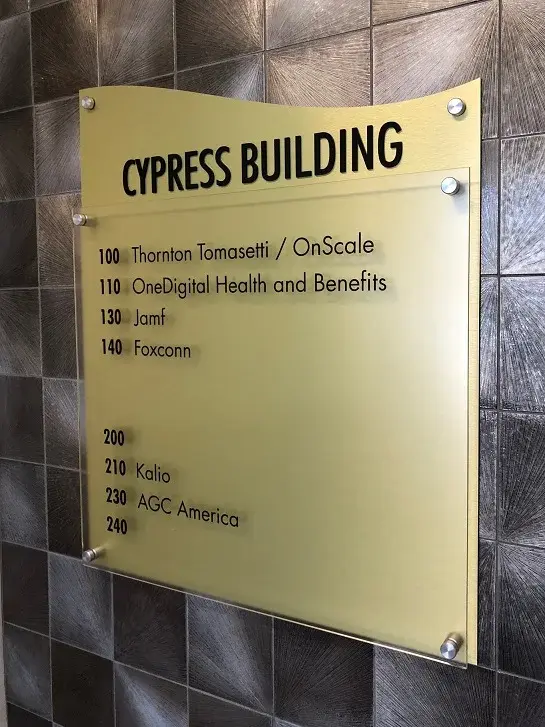
Signs Unlimited saw this firsthand on another office directory project. Several concepts were developed before the client selected the final design. That process is important. A modern lobby directory sign design should respond to the space instead of beginning with a predetermined product.
5. Think Beyond Installation Day
Ask how future updates will happen. Who will replace tenant panels? Can one listing be changed independently? Is there room for reasonable additions? Does an update require remaking the entire directory?
Planning for these questions early can help prevent improvised fixes or premature replacement later.
6. Understand Where ADA Requirements Apply
A common misconception is that every directory automatically requires tactile characters and Braille. The U.S. Access Board lists building directories among signs exempt from the ADA Standards’ visual and tactile sign requirements. However, permanent room identification signs and directional or informational signs elsewhere in the building can have accessibility requirements of their own. That distinction becomes important when a directory is only one component of a larger signage system.
7. Connect the Directory to the Rest of the Wayfinding
A directory should not work in isolation.
If it tells a visitor that a company occupies Suite 320, subsequent signage should help that person reach Suite 320 without guessing. That can mean coordinating the directory with floor identification, directional signs, room signs, and other wayfinding elements.
A Better Directory Starts With Better Questions
The most useful directory lobby signs in San Jose are planned around how a building actually operates—not simply how the sign will look on installation day.
Tenant turnover, viewing distance, update methods, architecture, accessibility, and surrounding wayfinding all deserve consideration. Signs Unlimited’s two directory projects demonstrate the same principle from different angles: thoughtful design begins with understanding how the property and its visitors will use the sign.
For property managers planning a new directory or replacing an outdated system, those decisions are a better starting point than choosing materials or styles from a catalog.